
Best Organic Diapers: A Complete Guide to Choosing the Safest and Eco-Friendly Organic Diapers for Your Baby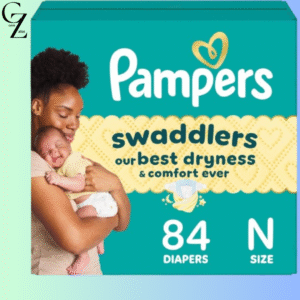 Buy Now
Best Organic Diapers. From the moment a baby is born, every parent wants to give their child the best, safest, and most comfortable things possible. Especially diapers, which stay on a baby’s body for a long time.
Many common diapers contain chlorine, fragrance, dye, lotion, and petroleum-based ingredients, which can cause diaper rash, allergies, and red spots on a baby’s soft and sensitive skin.
This is why it is rapidly becoming popular all over the world.
Organic Diapers
These are natural, hypoallergenic, chemical-free, and made of plant-based ingredients.
Here, in this detailed manual, we shall discuss
What are organic diapers
Why are they safe for babies
What are the most appropriate brands in the market?
Which ingredients are best
What should be considered before purchase?
Best organic diapers list
Which is most appropriate between a newborn and a toddler?
FAQ + Buying Guide
What Are Organic Diapers?
Organic diapers are diapers that are made from natural, biodegradable, eco-friendly ingredients—such as:
Bamboo fiber
Organic cotton
Plant-based pulp
Corn-starch-based core
Chlorine-free material
Lotion-free & fragrance-free layers
Organic diapers are generally non-toxic, meaning they do not contain—
Chlorine
Artificial fragrance
Harmful dyes
Lotion
Latex
Phthalates
Petroleum-based materials
They are much more suitable for babies’ sensitive skin.
Why Use Best Organic Diapers? (Benefits)
The main Google attributes/entities used in this section are:
Hypoallergenic & Rash-free
Organic diapers are the safest for sensitive skin.
No fragrance, no dye → less irritation.
Breathable & Extra Soft
Breathable layer of bamboo fiber or organic cotton keeps baby’s skin cool.
Chemical-Free Guarantee
Fragrance-Free
Chlorine-Free
Latex-Free
Dye-Free
Lotion-Free
Eco-friendly & Biodegradable
Many organic diapers are 70–90% biodegradable-good for the environment.
Better Absorbency
Bamboo fiber has higher absorbency than regular diapers
Safe for Newborn Babies
Newborn babies have extra sensitive skin-that’s why organic diapers are perfect for them.
Organic Diaper Materials Breakdown
Bamboo Fiber
The most popular material.
Because-soft, breathable, absorbent.
Organic Cotton
Very Skin-Friendly
Non-Irritating
Natural Fiber
Plant-Based Pulp (Carbon, Wood, Sugarcane)
Environmentally Safe
Hypoallergenic
SAP (Super Absorbent Polymer)
Used for leak protection.
High absorbency ensures long-lasting dryness.
FSC-certified pulp
Sustainably sourced-Very popular with eco-friendly consumers.
Things to look for before buying organic diapers
- Material composition
Bamboo- Organic Cotton – Plant-based pulp
- Absorbency rating
If you want overnight absorbency, Bambo Nature or Dyper is better.
- Leak protection
Leakage does not occur if the leg cuff is strong.
- Breathable layers
The more breathable, the less rash
- Whether chemical-free Chlorine-free
Fragrance-free
Dye-free
Latex-free
- Hypoallergenic certification
OEKO-TEX Standard 100
Dermatologist-tested
- Eco certifications
FSC-certified
USDA Organic
- Fit & Comfort
Soft waistband, flexible sides.
- Wetness Indicator
Very necessary for newborn parents.
Best Organic Diapers List
- Deeper Bamboo Organic Diapers
100% Bamboo Viscose
Rash-Free
Ultra Soft
Zero Fragrance
Compostable Bugs Included
- Bambo Nature Eco-Friendly Diapers
Very breathable
Great overnight absorbency
Skin-friendly
FSC-certified
- Honest Company Clean Conscious Diapers
Cute prints
Chlorine-free
Latex-free
- Seventh Generation Sensitive Protection
0% lotion
No fragrance
Great value
- Eco Boom Bamboo Diapers
Soft bamboo fiber
Hypoallergenic
High absorbency
- Andy Pandy Premium Bamboo Diapers
Very soft
Aloe liner (mild)
Chemical-free
Best Organic Diapers for Sensitive Skin
Dyper
Seventh Generation
Honest Company
Because they do not contain fragrance, lotion, chlorine, or dye.
Best Organic Diapers for Overnight
Bambo Nature
Dyper
Eco Boom
These have the highest absorbency rating.
Advantages and Disadvantages of Organic Diapers
Pros
Hypoallergenic
Rash-free
Eco-friendly
Natural materials
Breathable
Soft texture
Cons
High price
Some brands are not 100% biodegradable
Pampers Pure Protection – Full Review
Overview:
Pampers Pure Protection is America’s best organic-style diaper. It is not completely organic, but it uses safe ingredients and is free of harmful chemicals. It is ideal for parents who want gentle and safe care for their baby.
Key Features:
Chlorine-free pulp: Reduces exposure to chemicals and is gentle on sensitive skin.
Hypoallergenic: Reduces the risk of allergies.
Safe for newborns and sensitive skin: Ideal for babies with delicate skin.
Dermatologist tested: Ensures safety and reliability.
PROS (benefits):
Very soft and comfortable for everyday use
Excellent leak protection
Available in stores and online
Cons:
A little more expensive than regular diapers
Honest Company Clean Conscious Diapers – Full Review
Overview:
Honest Company is one of the most popular eco-friendly baby brands in the United States. Their Clean Conscious Diapers are made with a combination of plant-based ingredients, beautiful printed designs, and premium comfort.
Key Features & Ingredients:
100% Chlorine-Free Processing
Naturally sourced core using sustainably sourced pulp
Hypoallergenic and dermatologist tested
No latex, fragrance, or lotion
Plant-based PLA and wheat-derived backsheet
Performance and Comfort: Honest Diapers provide excellent absorbency throughout the day. The back waistband fits snugly against the baby’s skin without leaving any marks. The soft, cloud-like inner layer reduces irritation or rashes, making it ideal for babies with eczema or hypersensitive skin.
PROS (benefits):
Eco-friendly and stylish
Very gentle on the skin
Strong absorbency and leak protection
Ethical and transparent brand
Cons:
A bit bulky for newborns
More expensive than regular diapers
Suitable for:
Those looking for stylish, non-toxic, premium organic diapers.
Hello Bello Eco Diapers – Detailed Review
Overview:
Founded by Kristen Bell and Dax Shepard, Hello Bello offers premium, eco-friendly diapers at an affordable price. They use plant-based absorbent materials with beautiful prints, which ensure the baby’s comfort and skin protection.
Key Features:
Processed Chlorine Free
Allergen-safe and cruelty-free
Elastic Skintight Clingy Body-hugging Form-fitting
Absorbency and Fit: Hello Bello diapers provide very good absorbency during the day. Elastic leg cuffs prevent leaks
Breathability helps reduce rashes and comforts the skin.
PROS (Advantages):
Affordable price among organic diapers
Fun design that both babies and parents love
Lightweight and breathable
Cons:
Not as good at night
Seventh Generation Sensitive Protection – Detailed Review
Overview:
Seventh Generation is one of the oldest eco-friendly companies, known for making environmentally responsible products.
Materials & Safety:
FSC-certified wood pulp
Zero chlorine bleaching (TCF)
No petroleum-based lotions
Fragrance-free and dye-free options
Absorbency:
They provide excellent absorbency for the day as well as the night. The ultra-absorbent core quickly absorbs moisture, keeping baby dry.
Pros:
Reliable performance
Very eco-friendly
Ideal for diaper rash-prone skin
Cons:
Texture is a bit rougher than bamboo diapers
Bambo Nature Dream Diapers – Full-Length Review
Overview:
Bambo Nature is a European brand, recognized for making the safest diapers on the market.
Key Features:
Ultra-soft and breathable materials
Dermatologist approved
Minimal chemical exposure
Sustainable Nordic manufacturing
Comfort and Fit: One of the softest diapers for all babies, including newborns.
Provides a flexible waistband and moisture-absorbing layer.
PROS (benefits):
Super soft feel
Great for nighttime use
Eco-certified
Cons:
Prices are higher for American parents due to import costs
Toxic Chemicals in Baby Diapers to Avoid
Parents need to know that conventional diapers often contain some harmful chemicals, which can be harmful to the baby’s skin and health.
Chemical-free diapers, eco-friendly diapers, toxin-free baby products, and organic baby.
- Chlorine and Dioxins
Many common diapers use chlorine to whiten the pulp.
This may contain residual dioxins, which can cause skin irritation or rashes.
Organic Diapers: Zero Chlorine Bleaching (TCF/ECF), safe for sensitive skin.
- Phthalates and BPA
May be present in the core and waterproof layer of plastic-based diapers.
Linked to hormone disruption.
- Synthetic Fragrances and Dyes
Artificial fragrances and dyes can increase allergies or skin sensitivity in children.
Organic diapers are usually fragrance-free and dye-free.
- Petroleum-based Products and Latex crude oil and other oils can make it harder for the skin to breathe properly. Latex can cause allergic reactions.
5. Parabens and alcohol
Sometimes found in diapers with lotion.
Can move in front of the skin and cause irritation.
Organic Honeycombs completely remove these.
Dermatologists’ Advice + Baby Skin Care Guide
Key advice from pediatricians and pediatric dermatologists:
Use organic cotton or bamboo diapers for newborns.
Avoid diapers with artificial fragrances or lotions.
Make sure the diaper fits properly-a poor fit increases chafing and irritation.
Change diapers frequently to reduce diaper rash.
professional -recommended brands:
Bambo Nature: Non-irritating, ideal for sensitive skin.
Pampers Pure: Dermatologist-tested, cotton-rich soft layer.
Hello Bello: Plant-based, breathable, and soft.
excellent tips for parents:
Clean your hands before every diaper change.
Use fragrance-free wipes.
If necessary, use an organic barrier cream (such as zinc oxide or natural balm).
If irritation or rash persists for a long time, switch brands and observe for a few days.
Environmentally Friendly Impact and Biodegradability
Using organic diapers significantly reduces the negative impact on the environment.
- Materials Breakdown
Bamboo: Grows very quickly, completely biodegradable.
Organic Cotton: Chemical-free, renewable source.
FSC-certified wood pulp: sourced from sustainable sources.
PLA and plant-based backsheet: compostable and environmentally friendly.
- Environmental Benefits
Reduces landfill waste.
Reduces plastic pollution.
Supports carbon-neutral production processes.
Ensures a sustainable supply chain.
Best Practices for Parents
You can join a compostable diaper subscription program like Dyper.
Organic Diapers are also good for health.
The organic diapers are not only environmentally friendly, but they are also far healthier for the physical well-being of the baby. This is particularly useful with babies and infants who have delicate skin.
1. reduces the risk of diaper rash
Organic diapers do not contain-
Fragrance
Artificial colors
Lotions
Chlorine
- Safe for Sensitive Skin
The skin of a newborn is extremely tender and tender.
The organic diapers are made of natural ingredients that do not cause any allergies to the skin.
3. Breathable, reduces sweating
The layers of bamboo fiber and organic cotton are useful to allow the skin to breathe.
This will mitigate the chances of the sweat building up in the diaper and leading to fungal infections.
4. Keeps skin dry for a long time
Organic diapers absorb urine quickly due to their high absorbency.
Keeping the skin dry for a long time reduces the risk of infection and rashes.
5. Protection from harmful chemicals
Petroleum and chemicals in regular diapers can enter the body through the skin.
Organic diapers protect the baby from these harmful ingredients.
6. Especially suitable for newborns
Newborn babies have a weak immune system.
Using organic diapers can avoid unnecessary chemical exposure.
Full Comparison of Organic Diapers and Regular Diapers.
A question comes to the mind of many parents–
Are organic infant diapers superior to regular diapers?
These are some of the apparent comparisons between the two.
Material Differences
Organic Diapers:
Bamboo Fiber
Organic Cotton
Plant-Based Pulp
Regular Diapers:
Plastic
Petroleum-based materials
Synthetic chemicals
Organic diapers are more natural and safer.
Differences in Chemical Use
Organic Diapers:
Chlorine-free
Fragrance-free
Dye-free
Lotion-free
Regular Diapers:
Contains chlorine
Artificial fragrances
Dyes and lotions
Fewer chemicals means less risk to the baby.
Price and Value
Organic Diapers:
The price is relatively high
Better for health and the environment in the long run
Regular Diapers:
Cheaper
But harmful to the skin and the environment
Newborn vs Toddler: What Organic Diaper is the Best at What Age?
The appropriate selection of the organic diaper is also very important, depending on the age of the baby. Due to the fact that the needs of toddlers and newborns are different.
Newborn Diapers (0-3 months) organic.
The skin of infants is extremely tender. As such, more attention should be paid to the selection of diapers at this age.
Newborn Diaper Features
Very soft and thin
Super soft inner liner
Lightweight but highly absorbent
Has a wetness indicator
Umbilical cut design
Why are Organic Diapers better for newborns?
No chemicals
Low risk of rashes
Does not irritate the skin
Toddler Organic Diapers ( 6 months-3 years old).
Toddlers are mobile and walk and run. Diapers must therefore be tight and waterproof.
Toddler Diaper Features
High absorbency
Strong leg cuff
Stretchable waistband
Good fit for active babies
Why Organic Diapers for Toddlers?
Longer lasting
Less sweating and rashes
Protects skin
Newborn vs Toddler Organic Diapers (Brief Comparison)
Topic Newborn Toddler
Age 0–3 months 6 months–3 years
Skin Very Sensitive Relatively Tough
Absorption Light but Faster, More, and Longer
Fit Soft, Loose, Stretchable
Requirements Safety Leak-Protection
How to Choose the Right Size Organic Diaper (Guide to Choosing the Right Size)
Leaks, discomfort, and rashes can occur.
So it is most important to choose the size according to the weight of the baby rather than its age.
Choose the size according to the baby’s weight
Diaper size usually depends on the weight.
Diaper size Baby weight
Newborn (NB) 2–5 kg
Check the waist and leg cuffs
Too much pressure around the legs can cause rashes
Loose will leak
Two fingers can be inserted – Size is correct
Watch your baby’s movements
If he moves a lot – you need a flexible waistband
If he’s a quiet baby, a regular fit will do
Complete Organic Diaper Buying Guide (Complete Buying Guide)
When buying organic diapers, it’s not enough to just look for the words “organic.” It’s important to keep the following points in mind to choose the right product.
Check the Materials
Check what’s on the label-
Bamboo fiber
Organic cotton
Plant-based pulp
Check if the “Chemical-Free” Claim is True
Many brands may claim to be “natural,” but they may still contain chemicals.
Look for-
Chlorine-free
Fragrance-free
Dye-free
Latex-free
Lotion-free
Check out the certifications
Trusted organic diapers usually have these certifications-
OEKO-TEX Standard 100 Free of harmful substances.
FSC certified-Green wood pulp.
USDA Bio-based – Plant-based ingredients
Absorbency Level
Not all organic diapers absorb the same amount.
For daytime use – Lightweight
For nighttime use – High absorbency
It’s better if it says “Overnight protection.”
Breathability
If the outer layer of the diaper is breathable-
Sweating is reduced
Rashes are reduced
Skin stays cool
Fit & Comfort
A diaper should have-
Soft waistband
Stretchable sides
Strong leg cuffs
If it is uncomfortable, the baby will cry, and the rash will increase.
Check for a Wetness Indicator
This is especially useful for newborns.
If the line changes color, you’ll know the diaper is wet.
Check if it’s eco-friendly
Look for it on the label-
Biodegradable materials
Compostable packaging
Eco-friendly production
Read Brand Reviews
Online reviews can tell you-
Leaks
Rashes
Size is right
Compare price with quality
Organic diapers are more expensive than regular diapers.
But you get-
Less rashes
Less chemicals
Better comfort
Environmental protection
Organic Diapers for Babies
Here are simple answers to the most frequently asked questions by parents about organic diapers.
Do organic diapers really reduce diaper rash?
Yes. Organic diapers are free of fragrances, dyes, lotions, and chlorine, which means they are less likely to irritate the skin and reduce the risk of diaper rash.
Are organic diapers safe for newborns?
Absolutely. Since newborn babies have very sensitive skin, chemical-free organic diapers are the safest.
Are organic diapers a hundred percent biodegradable?
Brands do not all completely break down. Nevertheless, a large number of brands have 70 90 percent biodegradable ingredients.
Do organic diapers leak?
No, if the correct size is used. Good brands of organic diapers have strong leg cuffs and high absorbency
Can it be used overnight?
Yes. Brands like Bambo Nature, Dyper, Eand co Boom have “overnight absorbency”.
Are organic diapers more expensive?
Yes, a little more than regular diapers. However, it is safe for the baby’s skin and health, and is environmentally friendly.
What is the advantage of having fragrance-free diapers?
Synthetic smells may result in rashes and allergies on the skin of a baby. Toilet diapers are safer and fragrance-free.
Why is a wetness indicator needed?
Diapers change color when they get wet—making it easy to tell when to change them, especially for newborn babies.
How often should you change a diaper?
Usually every 2–4 hours, or as soon as it gets wet.
Are organic diapers free of plastic?
There may be a very small amount (for leak protection), but much less than regular diapers.
Which brand is good for sensitive skin?
Dyper, Seventh Generation, Honest Company-these brands are good for sensitive skin.
Are organic diapers comfortable?
Yes. The baby is more comfortable because of the soft fibers and breathable layer.
Are organic diapers available in the USA?
While not all brands are available, some international brands are available online.
Are Nature-based diapers better than cloth diapers?
The benefits of the two are different. Organic disposable diapers are more convenient, while cloth diapers are reusable.
Are Plant-based diapers safe to use every day?
Yes, because they do not contain harmful chemicals and use skin-friendly ingredients.